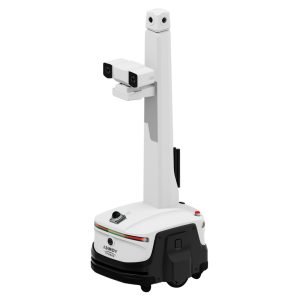
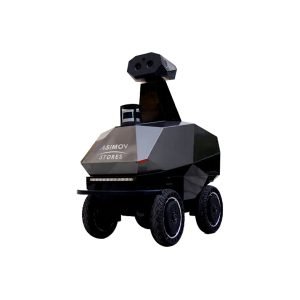
SECURITY, REDEFINED: ROBOTICS FOR SAFER SPACES

Deploy next-generation security robots to protect facilities, monitor sensitive areas, and respond to incidents with unmatched precision and efficiency.

The future of security is Robotic Asimov Now

From smart surveillance to automated patrols and emergency response, Asimov security robots deliver efficiency, reliability, and 24/7 protection. Built to integrate with existing systems, they provide scalable solutions for organizations that demand cutting-edge safety measures.

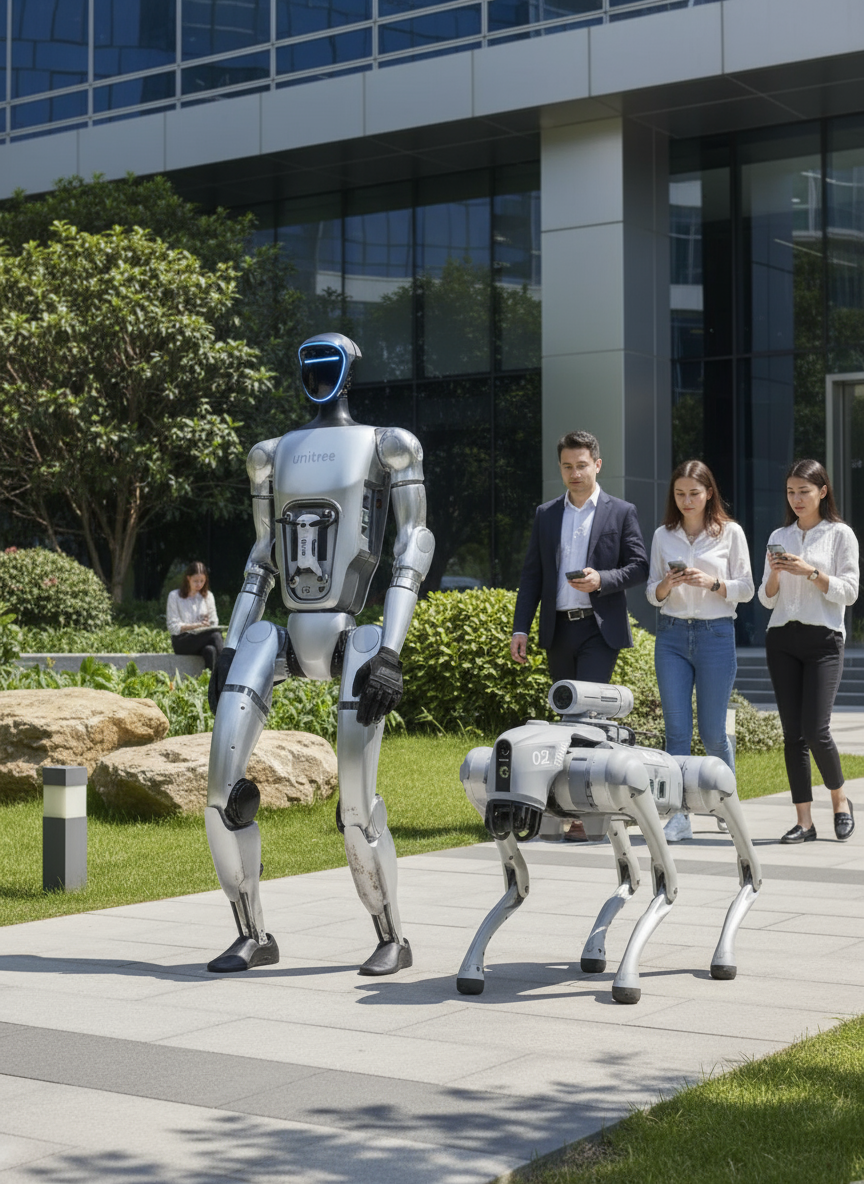
Patrol Robots

Constant vigilance with autonomous patrols ensuring every corner is monitored .

Surveillance Units

Advanced AI-driven monitoring systems detecting threats with precision and speed.

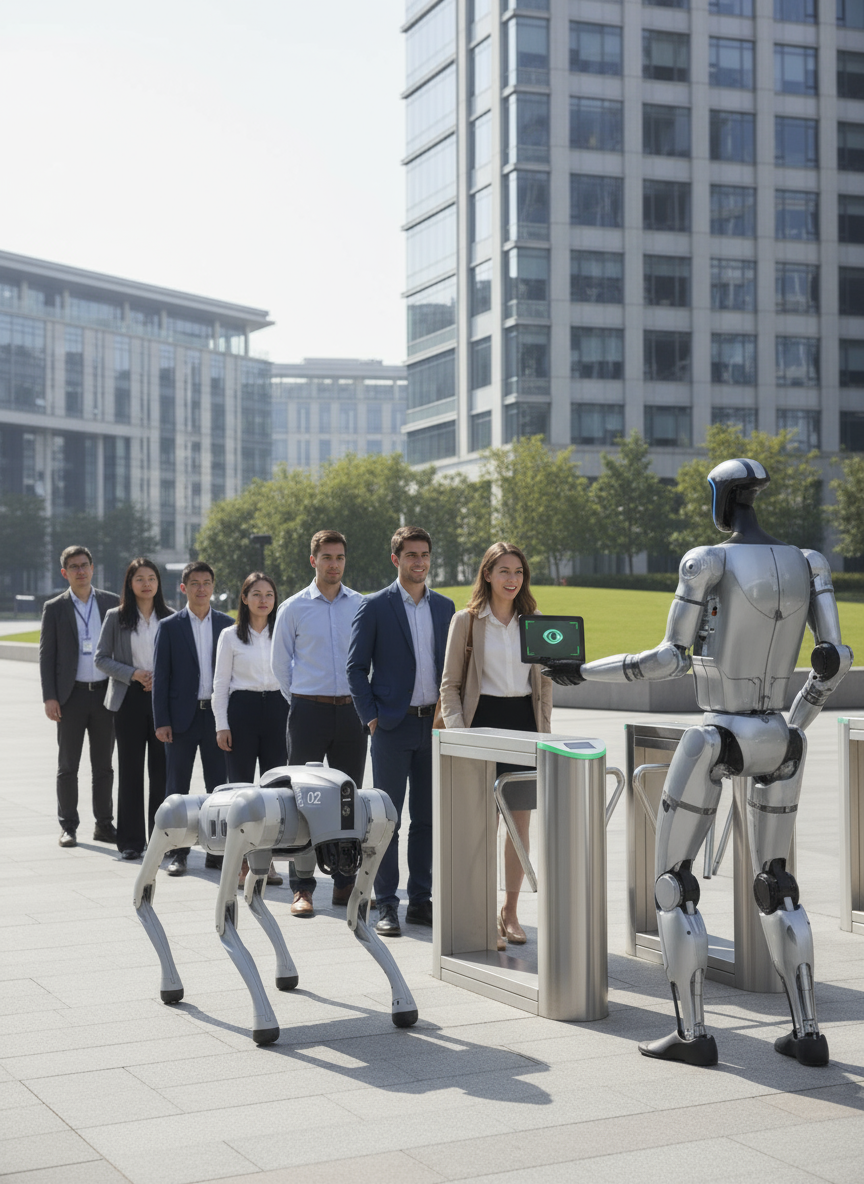
Access Control

Robots managing entry points with biometric verification and seamless visitor.

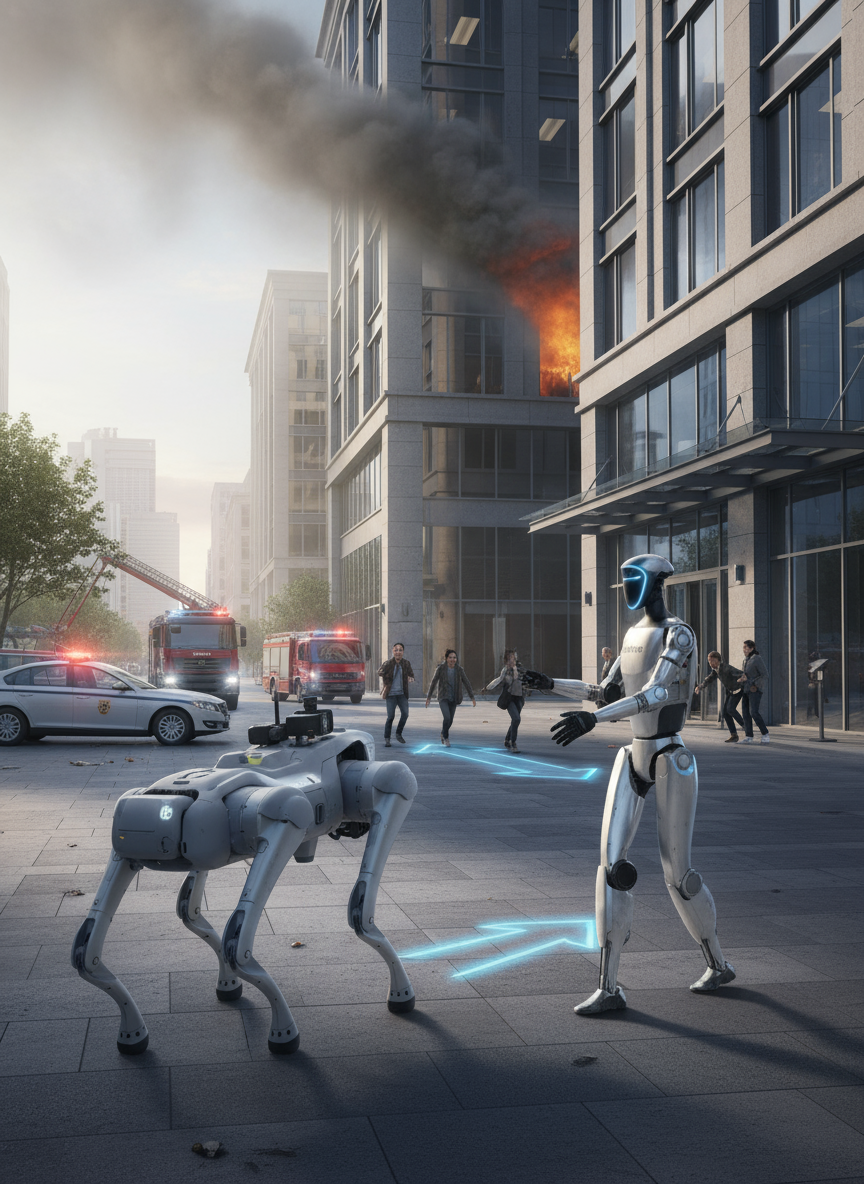
Emergency Response

Rapid-deployment robots assisting in crises, guiding evacuations and supporting staff.

PATROL ROBOTS PRECISION IN FACILITY SECURITY

Introduction to patrol robots

Patrol robots are redefining facility safety by performing consistent, repeatable surveillance routines across large indoor and outdoor areas.

Challenges with traditional security

Human guards often face fatigue, blind spots, and limited coverage, which can leave facilities vulnerable to incidents or breaches.

Robot Functions

Equipped with advanced mapping, LiDAR, and AI analytics, these robots detect anomalies, monitor restricted spaces, and ensure compliance with security protocols.

Operational advantages

Robots transmit live feeds, adapt to environmental changes, and escalate alerts instantly, providing uninterrupted vigilance day and night.

Impact on security teams

By reducing risk and human error, robots allow security personnel to focus on higher-level tasks without missing critical incidents.

Key Benefits

  • Continuous 24/7 monitoring without human fatigue

  • AI-driven anomaly detection and instant alerts

  • Reduced blind spots across large facilities

SURVEILLANCE ROBOTS: SMART MONITORING FOR MODERN SECURITY

Surveillance robots enhance traditional CCTV systems by combining mobility with AI-powered detection. They scan environments, analyze behaviors, and identify risks such as intrusions or unattended objects. With thermal cameras and 360-degree vision, they monitor efficiently both day and night.

Beyond real-time alerts, these robots create detailed forensic records, integrating seamlessly with existing control rooms. By automating repetitive monitoring, they reduce staff burden and allow faster interventions when incidents occur. Their ability to detect threats proactively makes them a critical asset for airports, corporate campuses, and public areas.

Key benefits include:

  • AI analytics with facial and behavior recognition

  • Night vision and thermal imaging for full coverage

  • Detailed reporting with integration to security systems

ACCESS CONTROL ROBOTS: MANAGING FLOWS WITH INTELLIGENCE

Access control robots are transforming how organizations manage visitors and staff movement. Equipped with biometric scanners, ID readers, and AI-based facial recognition, they streamline entry while ensuring unauthorized individuals are kept out.

These systems handle high volumes of people quickly, reducing queues and enhancing safety at gates, offices, or event venues. They also detect abnormal behaviors in real time and escalate warnings when needed, making them an essential first line of defense in high-security areas.

Automated visitor verification through biometrics

Reduced congestion at entry and exit points

Proactive monitoring for unusual behaviors

EMERGENCY RESPONSE ROBOTS: FIRST TO INTERVENE IN CRISES

Introduction to emergency response robots

Emergency response robots are transforming how facilities manage critical incidents such as fires, intrusions, or large-scale evacuations.

Importance of fast intervention

In emergencies, every second counts. Human teams may face delays or risks, making autonomous robots essential for rapid action.

Robot Functions

Equipped with high-sensitivity sensors, environmental scanners, and two-way communication, these robots detect threats in real time and activate protocols faster than human teams could.

Operational Advantages

Robots broadcast clear visual and audio guidance, lead safe evacuation routes, isolate high-risk zones, and maintain live communication with central control systems.

Impact on safety teams

By taking autonomous action in dangerous situations, these robots minimize staff exposure and provide continuous protection until first responders arrive.

Key Benefits

  • Faster response times in critical emergencies

  • Safe evacuation guidance with clear communication

  • Reduced risks for human responders

The Benefits of Robotics in Company or House spaces

Robotics is reshaping hospitals and clinics by automating critical yet repetitive tasks. From faster rehabilitation cycles and automated disinfection to patient support and training simulations, robots deliver measurable improvements in care and efficiency. Facilities benefit from reduced infection risks, optimized staff workload, and real-time patient data — ensuring better outcomes and cost savings.

Are security robots certified for law enforment and corporate use?

Yes. All security robots are developed in compliance with international safety and security regulations and can be adapted to meet local certification standards. This ensures businesses, campuses, and public spaces can confidently deploy robots without facing regulatory barriers. Certification also guarantees that the technology meets operational, safety, and privacy requirements, providing staff and visitors with trust in its use.

Each deployment includes a structured onboarding program designed to fit security operations. Training covers step-by-step guidance, live demonstrations, and ongoing support sessions to ensure guards are confident in operating the robots. Within a short time, officers and control room staff adapt to the technology, allowing seamless integration into patrol routines, emergency response, and monitoring workflows.

Most organizations see return on investment within 12–18 months after implementation. Savings come from reduced manpower costs, optimized patrol coverage, and faster incident detection. By automating repetitive security tasks, robots free human staff to focus on high-level decisions, which enhances overall protection quality and contributes to measurable financial benefits for the organization.

Yes. All security robots are manufactured with rugged designs capable of handling both indoor and outdoor environments. They are resistant to rain, dust, and temperature extremes, and can adapt to diverse terrains such as campuses, warehouses, or public spaces. This ensures reliable deployment in any condition, reducing downtime and guaranteeing continuous vigilance across all security zones.

Yes. Most security robots are designed to integrate with CCTV networks, access control software, and alarm systems already in place. This ensures smooth adoption, minimizes workflow disruptions, and allows staff to benefit from robotic automation without duplicating processes. Compatibility with existing infrastructure maximizes efficiency and accelerates the transition to hybrid human-robot security operations.

Very little. Security robots are built with durable components and equipped with predictive self-diagnostics that alert when service is needed. In most cases, they only require annual technical checks and periodic software updates, which reduces downtime and operating costs. Their autonomous monitoring systems further improve reliability and guarantee uninterrupted operation during patrols and surveillance.

Extremely safe. Security robots are equipped with AI-powered navigation, advanced obstacle detection, and collision-avoidance technology. They comply with strict international safety standards, ensuring safe operation in crowded spaces, around guards, employees, and visitors. The systems are designed to coexist in sensitive environments without causing disruptions, providing continuous protection while maintaining operational trust.

Yes. Many organizations choose flexible leasing or financing models to lower upfront costs. This allows companies, campuses, and municipalities to access advanced robotics immediately, while spreading the investment over time. Financing makes adoption financially sustainable, giving businesses the ability to scale operations as their protection needs evolve without the pressure of large one-time expenditures.

Hey there! Ready to start using robots?
1
Who are you?
2
Sector or Needs
3
Specific Use Case
4
Budget
5
Last Page

Our engines are working… to complete the process, we need one last step from you.

Email *
Name *
Teléfono *